





La frontière final des chinois très long article sur le sujet avec une bonne analyse2012-04-30 (China Military News cited from China Daily and by Xin Dingding) -- China has made remarkable strides in its space program five centuries after it made the first-ever unsuccessful attempt in the world to put a man in space. History records that some 500 years ago, a Chinese official called Wan Hu tried to launch himself to the moon from a wicker chair to which were fastened 47 rockets. Some records state that there was a huge explosion when the rockets were lit and Wan was never heard of again. Since then nothing much happened on the space front for nearly four centuries in China. Much of this had to do with the general apathy toward rocket technology in China, considering that historical records on the subject were confined to just 25 words. But in the last 50 years, China has not only successfully sent men into space, but also launched lunar probes on its own. On the anvil are plans for a space station, a mission to bring lunar soil samples to Earth, and make available globally by 2020 the Beidou (Compass) satellite navigation, the Chinese version of the US' Global Positioning System (GPS).
2012-04-30 (China Military News cited from eeo.com.cn) -- American and European military observers like to complain that the Chinese military is not transparent enough. But it's really just that the Chinese way is more subtle and tactful.
In mid-March, the Chinese Air Force carried out a test flight for its new fifth-generation J-20 “Mighty Dragon” fighter-jet, without a prior press release. After the test, photos were immediately posted in the military columns of various web media. It looked like a leak from the Chinese Air Force. Except, if it were a real leak, the person responsible for it would by now have received an “invitation to tea” from the state security apparatus.
J-20 vs F-35: the heat is on
Whatever might be the specific performance of the J-20, its fight test was meant to show the world that China had solved its major technical hiccups, and that it won’t be long before the fighter jet was up in the air.
Although the J-20 is relatively cheap according to western military analysts, it still costs $110 million. In comparison, the cost of an X-47B is less than half that. This enables it to be mass-produced and in turn it makes large-scale arming and reserve build-up possible.
In the future, the J -20’s enemy will not be the F-22, but a cluster of combat drones.
tres long sujet sur 03 pagesThe Chinese are probably still immersed in the joy of having achieved great progress in the J-20 development. This is like the Japanese celebrating the launch of the “Yamato,” the world’s biggest battleship in the 1930s. Meanwhile, a change in the configuration of tomorrow’s wars is secretly taking shape.
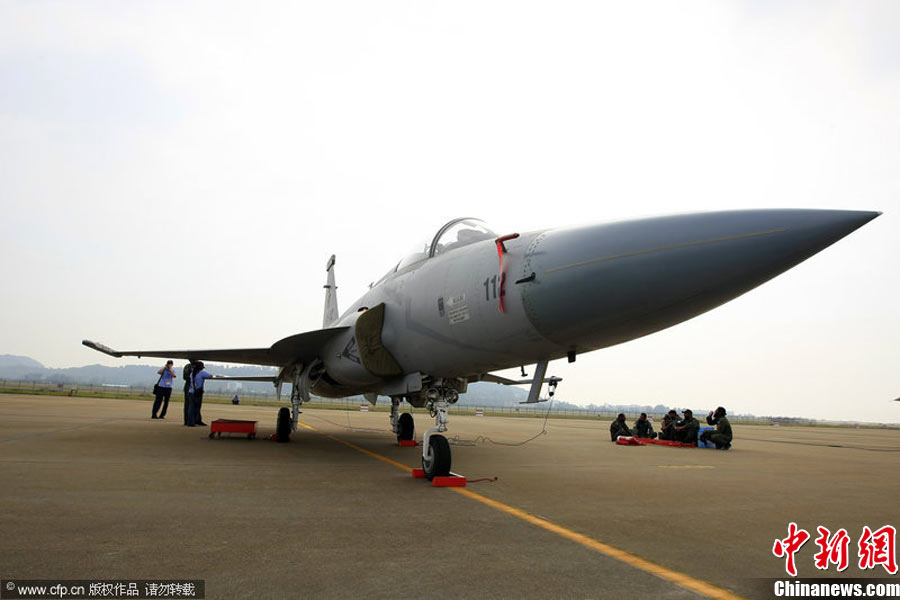
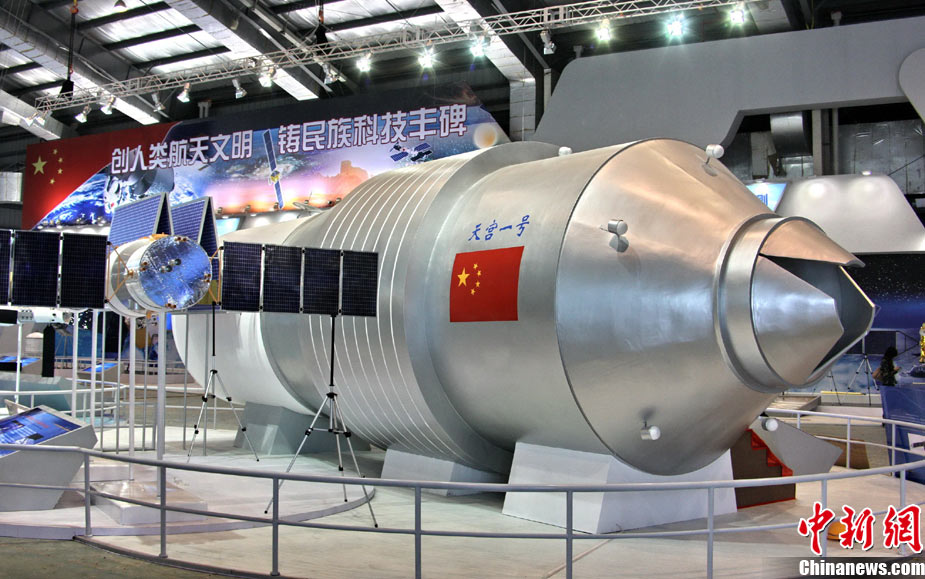
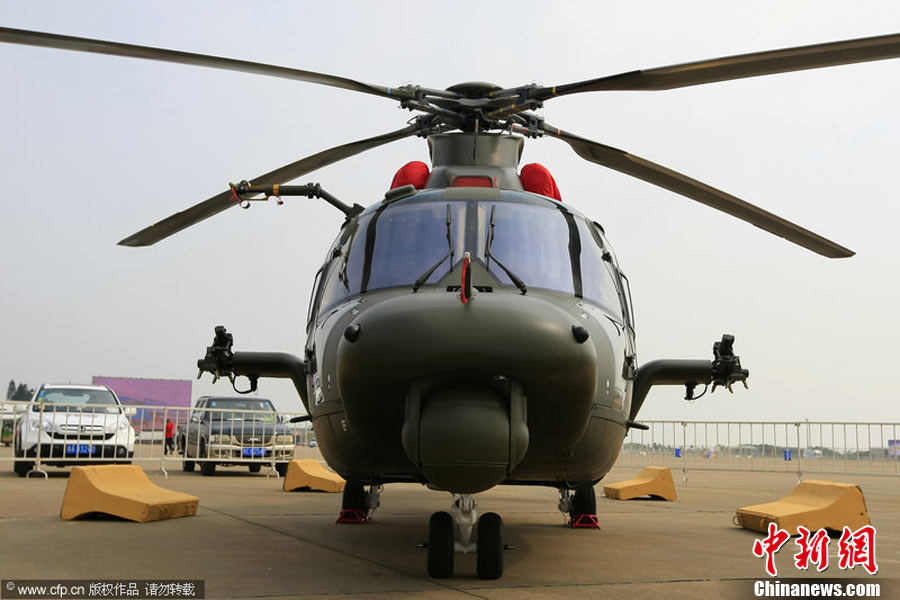
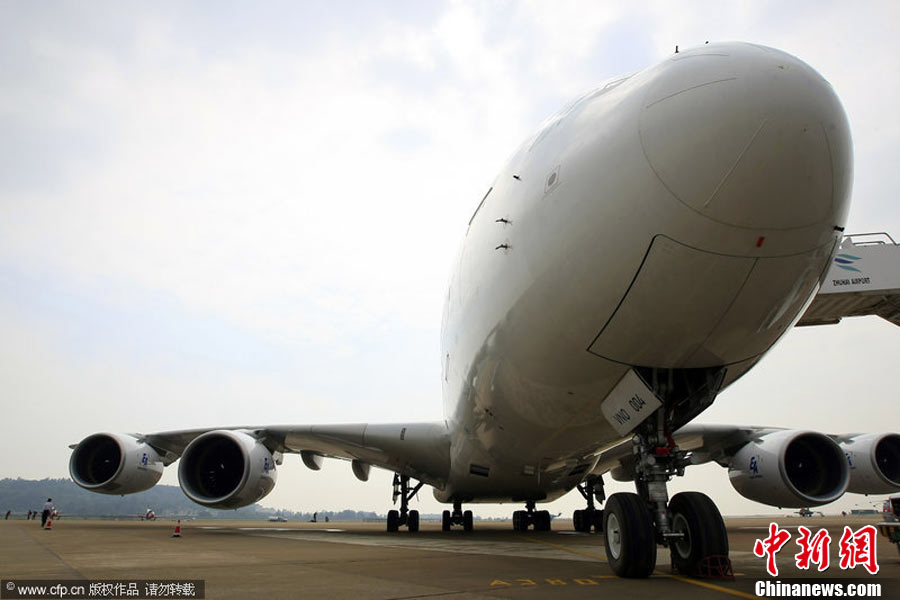


2012-05-06 (China Military News cited from zeenews.india.com) -- China today successfully launched a remote sensing satellite into space, stepping up its efforts to keep up with its schedule to put 100 satellites in space by 2015.
The mapping satellite, Tianhui I-02 was launched from the Jiuquan Satellite Launch Centre in northwest China's Gansu province using a Long March 2-D carrier rocket. A similar satellite, the Tianhui I, was launched into space in 2010.
The satellite, developed and produced by a company under the China Aerospace Science and Technology Corporation (CASC), will mainly be used to conduct scientific experiments, carry out land resource surveys and map territory, state-run Xinhua quoted an official statement as saying.









.png "Capitaine (AdA-France)")